The Case for Rosé When the Leaves Start to Fall
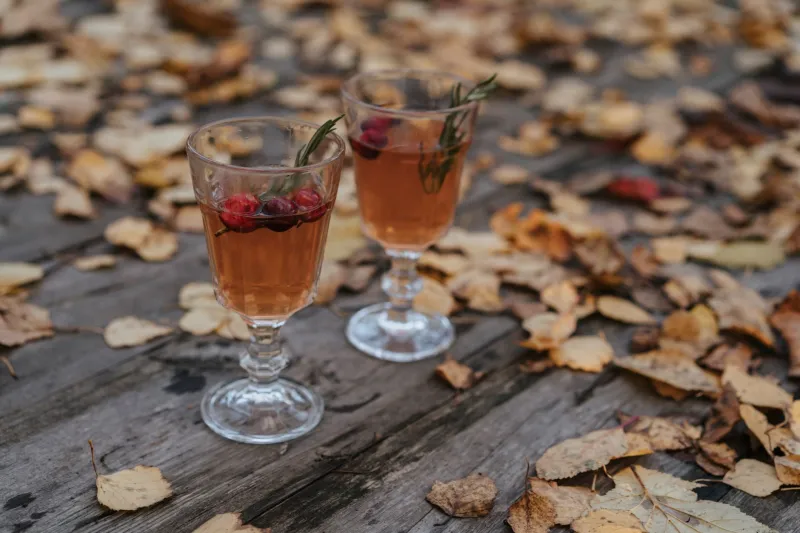
There is a particular kind of social pressure that arrives every September, right alongside the pumpkin spice and the flannel. It is unspoken but unmistakable: put the rosé away. Transition to your big reds. Act like an adult who respects the calendar.
Annabel does not respect the calendar. Not when it comes to wine.
The idea that rosé is a warm-weather-only beverage is one of the more stubborn myths in American wine culture, and it has cost a great many diners some genuinely wonderful autumn evenings. The truth is that a thoughtfully selected dry rosé — particularly those from Provence or the inland regions of Spain — is not a seasonal novelty. It is a year-round tool, and in fall, it becomes something close to essential.
Where the Myth Comes From
It is worth acknowledging how we arrived here. The American rosé renaissance of the mid-2010s was, in many ways, a marketing triumph. "Rosé all day" was a summer slogan, and it worked brilliantly. Sales soared from Memorial Day through Labor Day, and the image of a pale pink glass against a poolside backdrop became nearly impossible to separate from the wine itself.
But marketing is not sommelier training. The seasonal framing was never about the wine's actual character — it was about lifestyle association. And once that association hardened into conventional wisdom, it became the kind of rule people follow without ever questioning why.
The wine itself, meanwhile, remained exactly what it always was: structured, dry, food-friendly, and deeply versatile.
What a Dry Rosé Actually Tastes Like in October
Here is something worth sitting with: a classic Provençal rosé made from Grenache, Cinsault, and Mourvèdre does not taste like summer. It tastes like garrigue, the wild herb scrubland of southern France. It tastes like dried strawberry, a whisper of white pepper, and the kind of clean mineral finish that makes your mouth want another sip. There is nothing about that profile that becomes less appealing when the temperature drops.
Spanish rosados from Navarra or Rioja, often built on Garnacha or Tempranillo, push even further into savory, earthy territory. They carry more body than their French counterparts, a touch more tannin, and a rustic warmth that feels genuinely at home beside a bowl of something braised.
These are not fragile summer wines waiting to expire. They are wines with structure and intention, and autumn — with its longer evenings, heavier tables, and slower pace — may actually suit them better than July ever did.
The Autumn Table Is Rosé's Best Argument
Consider what actually appears on fall menus and dinner tables across the country. Roasted root vegetables — carrots, parsnips, beets — caramelized at the edges and earthy at the core. Hearty grain salads built on farro or wild rice, dressed with pomegranate seeds and toasted walnuts. A slow-braised chicken thigh with olives and preserved lemon. A butternut squash soup finished with crème fraîche.
Now ask yourself: what wine pairs well with all of those dishes?
A heavy Cabernet overwhelms the delicate sweetness of roasted vegetables. A crisp Sauvignon Blanc can feel thin beside a warming braise. But a dry rosé with good acidity and a savory edge? It moves through that entire menu with remarkable grace. The acidity cuts through richness. The fruit echoes the natural sweetness of root vegetables without amplifying it. The mineral quality keeps everything feeling fresh rather than heavy.
This is not an accident. It is the result of a wine that was always built for the table — any table, in any season.
A Note on Temperature
One practical consideration: rosé is typically served chilled, and some diners worry that a cold glass feels wrong on a cool autumn evening. This is a reasonable instinct, but it overestimates the problem. A rosé served at around 55°F — slightly warmer than you might pour it in summer — is perfectly comfortable and, arguably, more expressive. The aromatics open up a bit more, and the wine feels rounder on the palate.
At Annabel's, we adjust our serving temperatures throughout the year for exactly this reason. There is no single correct temperature for any wine; there is only the temperature at which a specific bottle shows best on a specific evening.
Trust Your Palate Over the Calendar
The deeper point here is about permission. Wine culture, for all its pleasures, has a tendency to generate rules that feel authoritative but are actually quite arbitrary. Drink white with fish. Save the good stuff for special occasions. And yes — put the rosé away after Labor Day.
None of these rules exist to serve you. They exist because someone, somewhere, repeated them often enough that they became received wisdom.
Your palate, on the other hand, exists entirely to serve you. And if your palate tells you that a glass of chilled Bandol rosé sounds like exactly the right companion for a rainy Tuesday evening in October, with a bowl of lentil soup and a good book — then that is precisely what you should pour.
Annabel orders rosé in October because it tastes wonderful in October. The calendar has no vote in the matter. Neither does anyone else at the bar.
Come in sometime during the fall and let us pour you something pink. We think you will find the season suits it rather well.