The Early Evening Ritual That American Wine Bars Are Finally Getting Right
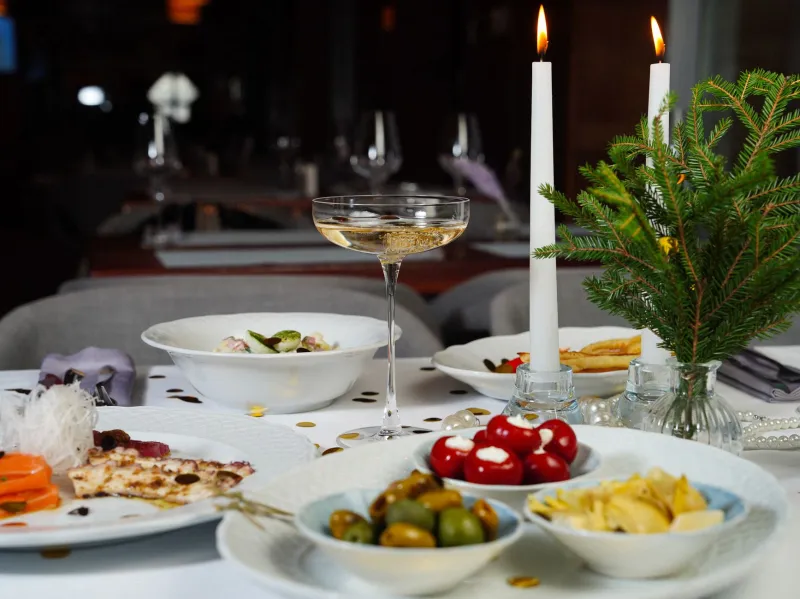
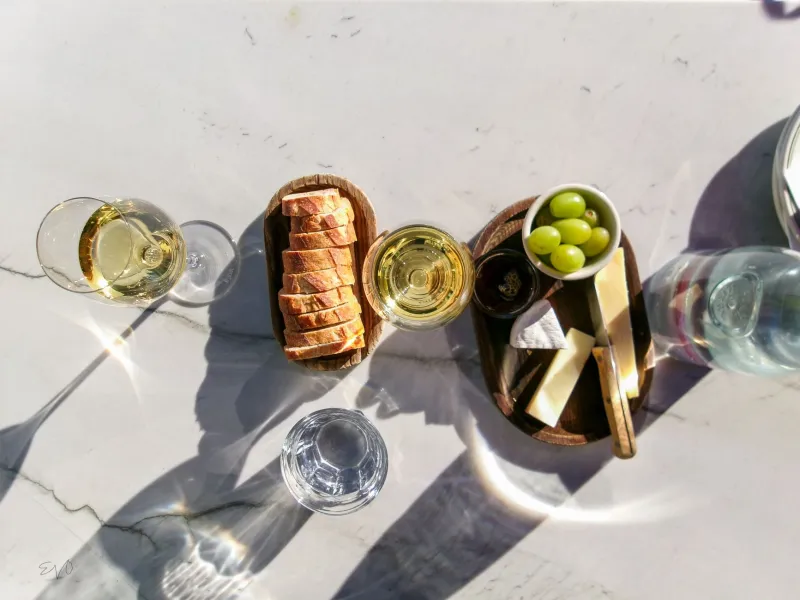
Somewhere between five and seven o'clock on a Tuesday evening, something quietly extraordinary happens in certain corners of American cities. The overhead lights dim slightly. A bottle of something sparkling is opened without ceremony. A small plate of olives, perhaps a wedge of cheese, appears on the counter without anyone having placed a formal order. Conversation slows to a pace that feels almost foreign in its ease.
This is the aperitivo hour — or rather, an American interpretation of it — and it is having a moment that feels less like a trend and more like a reckoning.
What Aperitivo Actually Means
The word itself comes from the Latin aperire, meaning to open. In practice, the aperitivo is the Italian ritual of gathering in the early evening for a light drink and small bites before the main meal begins. It is not happy hour, though the two are often conflated. It is not cocktail hour in the American sense, either — a prelude to excess, a loosening of ties before the real drinking starts.
The aperitivo is something more deliberate. Its purpose is physiological as much as social: a small glass of something lightly bitter or sparkling is believed to stimulate digestion and open the appetite, preparing the body for the meal ahead. The food served alongside — olives, cured meats, small savory bites — is intentionally modest. The point is not to fill up. The point is to arrive, to settle, to begin the evening with intention.
In northern Italy, particularly in Milan and Turin, the aperitivo hour is a civic institution. Aperol Spritz and Campari Soda are the traditional vessels. Negronis appear. Small plates of cicchetti — the Venetian equivalent of tapas — are set out with generosity. The hour stretches, conversation deepens, and the transition from the working day to the evening feels earned rather than abrupt.
How America Lost the Ritual — and Why It Matters
American dining culture has long privileged efficiency over ceremony. Reservations are made for specific times. Tables turn on schedules. The meal arrives, it is consumed, the bill is settled, and the evening is declared complete. There is nothing inherently wrong with this model, but it leaves very little room for the kind of unhurried, transitional moment that the aperitivo is designed to provide.
The consequences are subtle but real. Many American diners arrive at restaurants already over-hungry, having skipped the transitional pause between work and dinner. They order quickly, eat quickly, and leave without having fully arrived at the table in any meaningful sense. The evening meal becomes a transaction rather than an experience.
The aperitivo, properly understood, is a correction to all of this. It creates a buffer — a liminal space in the early evening where the pace of the day is released before the pleasures of the night begin.
The Wine Bar as the Natural Home of Aperitivo
It is not coincidental that the aperitivo revival in America is being led primarily by wine bars rather than full-service restaurants. The wine bar, by its very nature, is built for lingering. There is no fixed menu to navigate, no entrée to anchor the experience, no implicit pressure to vacate the table for the next reservation. The pacing is self-determined.
This structural freedom makes the wine bar the ideal setting for an aperitivo program. Several establishments across the country have recognized this alignment and built their early-evening offerings around it with considerable thoughtfulness.
In New York, a number of natural wine bars have introduced what they call a "pre-dinner window" — a period between five and seven in the evening during which a curated selection of light, low-intervention wines is offered alongside small plates of house-made pickles, tinned fish, and local charcuterie. The pricing is intentionally approachable, and the atmosphere is deliberately unhurried.
In Charleston, South Carolina, wine bars with strong Italian wine programs have begun offering structured aperitivo menus that pair domestic sparkling wines — Blanc de Blancs from California, Brut Rosés from Virginia — with small bites that honor local producers: house-cured country ham, pimento cheese on crackers, pickled okra alongside a crisp domestic Vermentino.
In Portland, Oregon, where the local wine scene is deeply rooted in Pacific Northwest terroir, the aperitivo concept has been adapted to reflect the region's agricultural identity. Oregon Pinot Gris and Willamette Valley Chardonnay anchor the early-evening pours, accompanied by Pacific Northwest cheeses, smoked salmon rillettes, and foraged mushroom crostini.
The American Spin: Local Wines, Regional Character
What distinguishes the American aperitivo from its Italian predecessor is not a departure from the ritual's spirit — it is an expression of regional identity within that spirit. The underlying philosophy remains unchanged: light, appetite-opening beverages paired with modest, savory food, consumed slowly in good company before the evening proper begins.
But the specific wines and foods have been localized in ways that feel genuinely exciting. American winemakers producing high-acid, food-friendly whites and sparkling wines are finding a natural home in aperitivo programs. Grapes like Grüner Veltliner grown in the Finger Lakes, Txakoli-style wines from Texas, and pét-nat bottlings from small California producers all carry the lightness and vivacity that the aperitivo moment demands.
The food, too, reflects American abundance. Tinned fish — long a staple of Spanish and Portuguese bar culture — has experienced its own renaissance in American wine bars, with domestic producers offering high-quality smoked trout, albacore tuna, and Pacific sardines that pair beautifully with crisp, mineral-driven whites. Local honey, artisan crackers, and small-batch preserves round out boards that feel both global in inspiration and unmistakably American in execution.
Why This Ritual Deserves a Place in Your Week
The case for the aperitivo hour is, at its core, a case for reclaiming the early evening as something other than a gap between work and dinner. It is an argument for the kind of deliberate, unhurried pleasure that the American schedule tends to crowd out.
A single glass of something light and well-chosen. A small plate of things that taste good and ask nothing of you. Forty-five minutes — perhaps an hour — in which the pace of the day gradually releases its hold. This is not indulgence. This is, as the Italians have long understood, simply good sense.
At Annabel's, we have always believed that the best evenings begin before the main event. Our early-evening selections are curated with the aperitivo spirit in mind — wines that open the appetite, small bites that invite conversation, and an atmosphere that gently insists you stay a little longer than you planned.
The ritual is waiting. The only requirement is that you arrive before you are hungry, and leave before you are full.