Known by Name, Known by Glass: The Quiet Power of Being a Regular
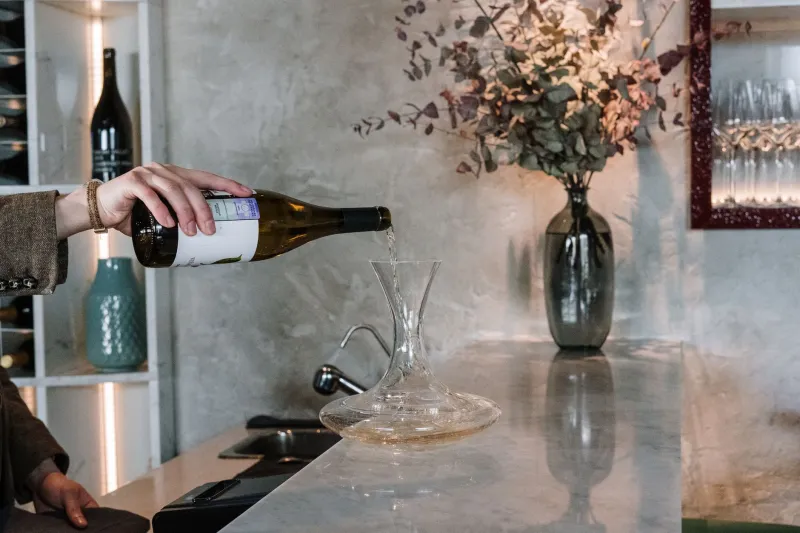
There is a moment—unremarkable to the casual observer, yet quietly profound to the person experiencing it—when a sommelier glances up from the bar, offers a measured nod, and begins pouring before any order has been placed. No menu consulted. No preferences recited. Just a glass of exactly what you needed, arriving as if by arrangement.
This is not magic. It is memory, intention, and the deeply human architecture of genuine hospitality.
The Memory Behind the Pour
Wine bar professionals carry a remarkable amount of information in their heads. They track not only inventory and vintage but also the preferences, moods, and habits of the guests who return week after week. A skilled bartender at a well-run establishment may know that one regular always begins with something sparkling before transitioning to Burgundy, that another prefers their Grüner Veltliner without food pairings on Tuesday evenings, and that a third guest—the one who always takes the corner seat—orders more adventurously after a stressful workweek than a relaxed one.
This kind of recall is not accidental. It is cultivated deliberately, treated as a professional discipline equal to cellar knowledge or service technique. The best hospitality professionals understand that recognition is itself a form of generosity. To remember someone's order is to communicate, without a single word, that their presence here has been noted and valued.
Why Recognition Feels Different at a Wine Bar
The American dining landscape offers many forms of service, but the wine bar occupies a distinctive emotional register. It is neither the transactional efficiency of a quick-service counter nor the formal choreography of a fine dining room. It sits in a middle space—intimate, unhurried, built for conversation and contemplation rather than throughput.
In this environment, recognition carries unusual weight. A regular at a wine bar is not simply a returning customer. They are, in a very real sense, a participant in the culture of the room. Their loyalty shapes the atmosphere. Their presence, over time, becomes part of what makes the space feel alive.
This is why being known by name at your wine bar of choice produces a response that goes beyond mere convenience. Psychologists who study belonging and social connection point to what they call "ambient awareness"—the comfort derived not from active engagement but from simply being in the presence of people who recognize you. A wine bar, with its low lighting, unhurried pacing, and staff who remember your preferences, creates precisely this kind of ambient warmth.
The Small Gestures That Accumulate Into Belonging
Ask any wine bar regular to describe what keeps them coming back, and the answers rarely begin with the wine list—though the list matters enormously. They begin with specifics: the bartender who remembered to mention when a favorite producer released something new. The sommelier who set aside a half bottle because it matched a preference expressed three visits ago. The host who acknowledged a difficult week without prying, simply by pouring something more generous than usual.
These gestures are small in isolation. Accumulated over months of visits, they construct something that functions almost like friendship—professional in its boundaries, but genuine in its warmth. The regulars who populate a wine bar's best evenings are not simply loyal consumers. They are people who have allowed themselves to be known, and who have found that being known in this particular context feels remarkably good.
For the staff, this relationship carries its own rewards. Hospitality professionals consistently report that their most satisfying work involves the regulars—the guests whose evolving palates they have watched develop, whose occasions they have helped mark, whose trust they have earned through consistency and care. Knowing a guest's order is, from the staff's perspective, a form of professional pride.
What Regulars Understand That First-Timers Don't
There is a certain knowledge that only comes with repeated visits, and it cannot be acquired through a menu alone. Regulars understand the rhythm of the room—when the kitchen is at its best, which evenings bring the most interesting by-the-glass pours, how to read the sommelier's enthusiasm as a reliable signal that something new and worthwhile has arrived.
They also understand that their relationship with the staff is a two-way investment. A regular who communicates honestly—who says when something doesn't quite suit them, who expresses genuine enthusiasm when it does—gives the staff the information they need to serve them better. This feedback loop, conducted over many visits with growing mutual trust, is what transforms a wine bar from a place you visit into a place where you belong.
First-time guests experience the wine list. Regulars experience the bar.
An Invitation Worth Accepting
Becoming a regular is not a status conferred by frequency alone. It is built through engagement—through curiosity about the list, through honest conversation with the staff, through a willingness to trust a recommendation and report back on how it landed. It requires, in short, a kind of openness that the wine bar environment is uniquely designed to encourage.
The reward is disproportionate to the effort. A wine bar that knows you—that reaches for your glass before you've sat down, that remembers you prefer your Pinot Noir at cool room temperature, that sets aside something interesting because it matches a preference you mentioned in passing six weeks ago—offers something that no app, no delivery service, and no digital experience can replicate.
It offers the feeling of being genuinely seen. And in the particular intimacy of a well-run wine bar, that feeling is worth returning to, again and again.