The Ledger of the Evening: What Wine Bar Order Data Quietly Tells Us About American Life
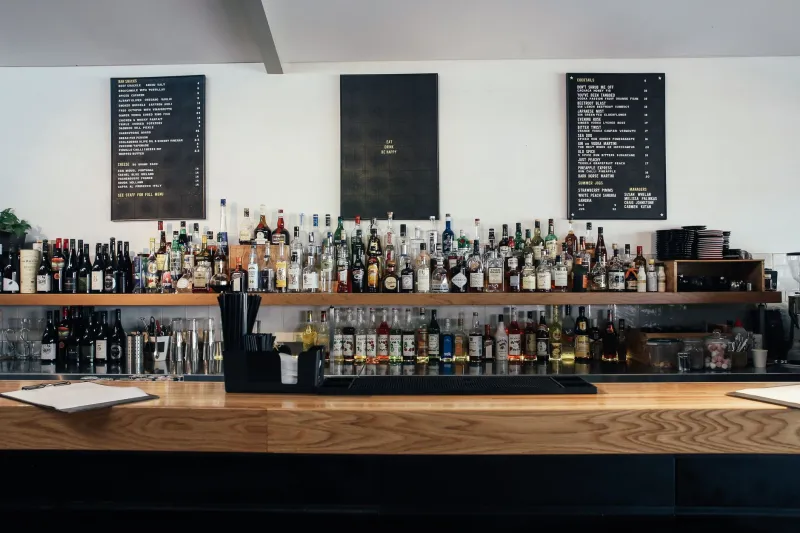
A wine bar receipt is a small document, but it is rarely an innocent one. It records what someone wanted at the end of a particular day, in a particular city, with a particular person seated across the table. Multiply that by thousands of evenings and the humble tab becomes something closer to a national diary.
Bartenders and owners around the country have started paying attention to what their point-of-sale systems are telling them, and the findings are more revealing than you might expect.
The Weeknight Is Winning
Perhaps the most consistent pattern reported from coast to coast is the quiet migration of wine bar visits to Tuesday, Wednesday, and Thursday. The weekend, once the undisputed territory of going out, now belongs to errands, youth sports, and recovery. The midweek pour has become the ritual instead.
Bartenders describe a recognizable regular: arriving at 6:15 on a Wednesday, ordering a single glass of something structured, splitting a plate of marcona almonds, and leaving by eight. This guest is not celebrating. This guest is decompressing—and the data suggests there are more of them than ever.
Sherry's Second Act
Few categories illustrate shifting tastes better than sherry. For decades, the fortified wines of Jerez gathered dust on American back bars. Today, many wine bars report selling through their fino and amontillado inventory faster than they can restock it.
Part of the appeal is practical: sherry pairs brilliantly with salty food, offers remarkable complexity at modest prices, and pours in smaller formats. But part of it is cultural. A generation of drinkers raised on novelty has discovered that the most interesting thing on the list is sometimes the oldest thing on it.
The Orders That Surprise
For all the trends, bartenders insist the data misses the best stories. There is the retiree who orders a bold Napa Cabernet with a chilled oyster plate and refuses to hear otherwise. The couple on a first date who split a bottle of Grüner Veltliner and close the place down. The table of sommeliers who, after a long shift, want nothing more than cold beer-adjacent pilsner and fried potatoes.
"The receipt tells you what they bought," one bartender put it. "It never tells you why."
What It All Means
If there is a unifying thread in the numbers, it is this: Americans are drinking less, but drinking better, and doing it more deliberately. The average tab is shrinking while the average quality per glass climbs. Guests are asking more questions, trying more regions, and treating the wine bar less as a stop and more as a destination.
The receipt, in other words, is becoming a record of intention rather than indulgence. At a well-run wine bar, that is exactly the point.