Sound as Seasoning: The Deliberate Role of Music in a Wine Bar's Flavor Story
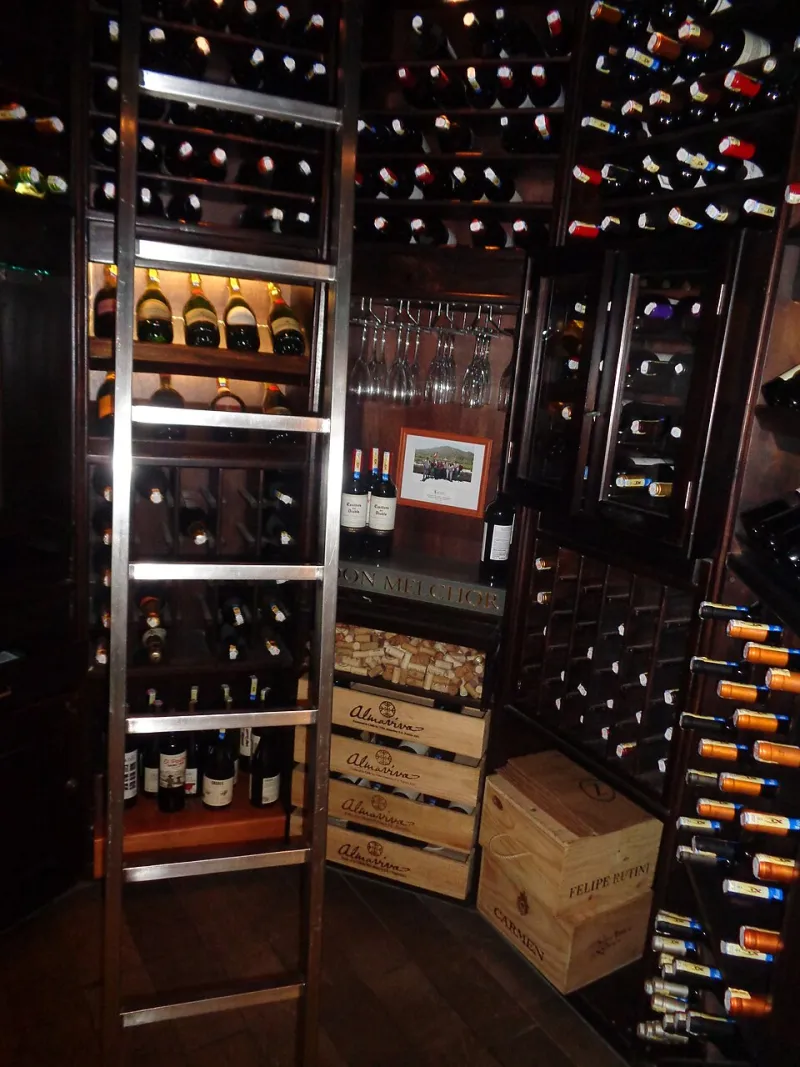
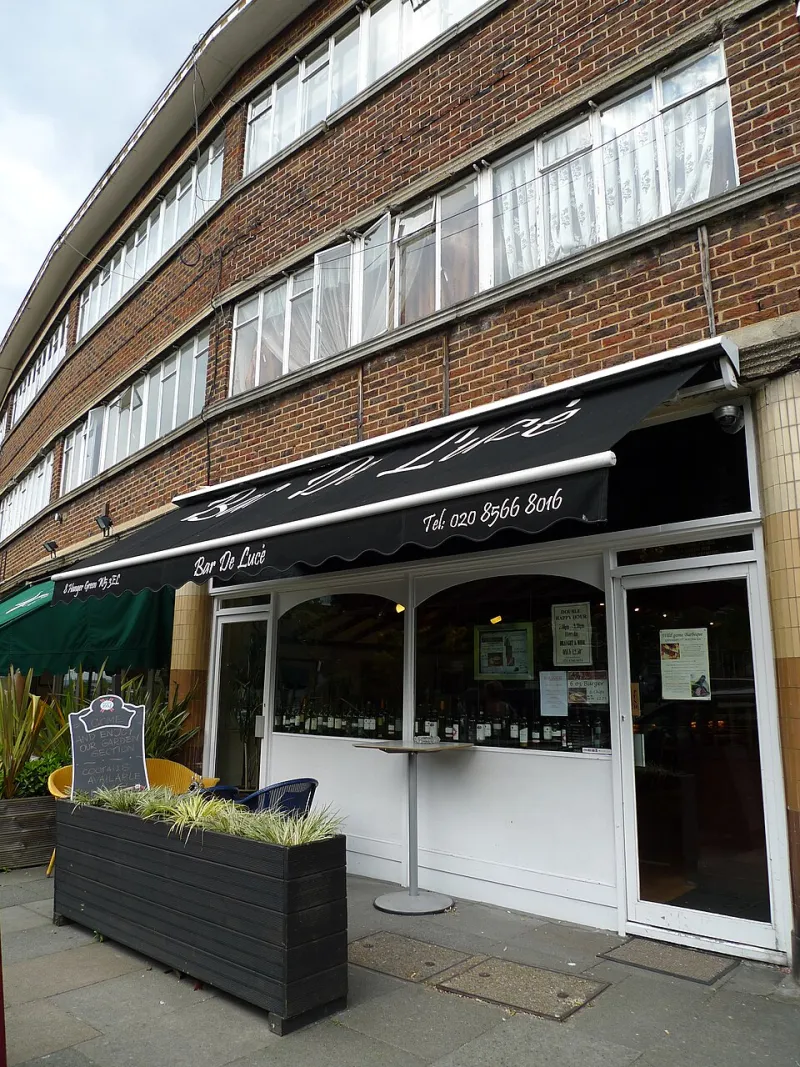
Photo: David Adam Kess, CC BY-SA 4.0, via Wikimedia Commons
There is a moment, familiar to any regular, when you settle into a wine bar stool and something shifts. The glass arrives. The first sip lands. And yet the experience is already in motion before any of that—because the room has been speaking to you since you walked through the door. The lighting, the hum of conversation, the arrangement of the space. And threading through all of it, quietly and with more intention than most guests ever realize, is the music.
The relationship between sound and taste is not a theory. It is a documented phenomenon, one that researchers and hospitality professionals have been examining seriously for more than two decades. What the best wine bars have understood for nearly as long is that a curated playlist is not background decoration. It is an active ingredient.
The Science Behind the Sip
In 2008, a landmark study from the Heriot-Watt University in Scotland found that music genre directly influenced how wine drinkers described their experience. Participants who listened to "powerful and heavy" music rated red wines as significantly bolder than those who sat in silence. Those listening to "subtle and refined" music described the same wines as more elegant and nuanced. The wine had not changed. The listener had.
More recent research has reinforced these findings, demonstrating that tempo plays a role in how quickly guests consume their drinks, how long they linger at a table, and even how generous they feel when the check arrives. Low-tempo music slows the pace of drinking and encourages conversation. High-tempo music accelerates consumption and can fragment attention. For a wine bar—a setting built around deliberate savoring—the implications are significant.
The Playlist as a Point of View
At Annabel's, the approach to music follows the same philosophy that governs the wine list: every selection should say something, and nothing should be chosen carelessly. What does that mean in practice? It means the opening hour of service sounds different from the close of a Friday evening. It means the sonic palette shifts with the season, just as the menu does. A warm, amber-lit October night calls for something different than a bright, early-spring Saturday afternoon.
Sommeliers who have thought carefully about this describe the playlist as an extension of hospitality. The music should never compete with the wine for attention—it should serve as a frame around it. Volume matters enormously here. When a soundtrack climbs above the threshold of comfortable conversation, guests begin to drink faster, speak louder, and lose the reflective quality that makes wine bar dining distinctive. The goal is not a concert. It is a room that breathes.
Genre as a Cue for the Glass
The relationship between specific genres and wine perception is worth considering when you next take a seat. Jazz—particularly acoustic, mid-tempo jazz—has long been the default of the American wine bar, and not without reason. Its improvisational structure creates a sense of organic flow that pairs well with the unhurried rhythm of a tasting flight. It does not demand attention, but it rewards those who offer it.
Classical music, by contrast, introduces a formality that can either elevate or intimidate, depending on the room's energy. When deployed thoughtfully—a Debussy piece during the quieter early hours, a Baroque selection during a structured tasting event—it draws out the contemplative qualities in a guest's approach to their glass. It encourages description. It slows the hand that reaches for the bottle.
Americana and folk, increasingly common in natural wine-forward establishments, carry their own associations: rusticity, terroir, the romance of small production. These genres communicate something about the wine list before a single bottle is opened. They signal that this is a place where origin matters, where the story behind the label is part of what you're paying for.
The Volume Question Nobody Asks Until It's Too Late
Of all the variables in a wine bar's sonic environment, volume is the most frequently mismanaged. The instinct, particularly during a busy service, is to raise the music as the room fills—to maintain an energy level that keeps pace with the crowd. What this actually accomplishes is the opposite of what a wine-focused establishment should want. Elevated volume compresses the sensory experience, narrowing the guest's attention and making the nuanced work of tasting far more difficult.
The better approach is to let the room itself generate its energy and allow the music to recede slightly as the evening progresses. Guests who can hear one another clearly tend to stay longer, order more thoughtfully, and leave with a stronger impression of the overall experience. The music, when it is doing its job well, is something you feel rather than notice.
What to Listen for on Your Next Visit
The next time you arrive at a wine bar, take a moment before ordering to register the room's sonic atmosphere. Is the music pulling your attention upward, toward the performance? Or is it settling beneath the conversation, creating a kind of floor for the evening to rest on? Do the selections feel curated—intentional in their sequencing and genre—or random in a way that suggests no particular point of view?
A well-constructed playlist, like a well-constructed wine list, communicates the values of the establishment. It tells you something about how seriously the operators take the experience they are offering. At its best, it becomes inseparable from the memory of the evening itself—the music you associate with the bottle you'll never forget, the ambient sound of a night that deserved to last longer than it did.
At Annabel's, we believe that every element of an evening at the bar contributes to what ends up in your glass. The music is not incidental to that. It is, in the truest sense, part of the recipe.