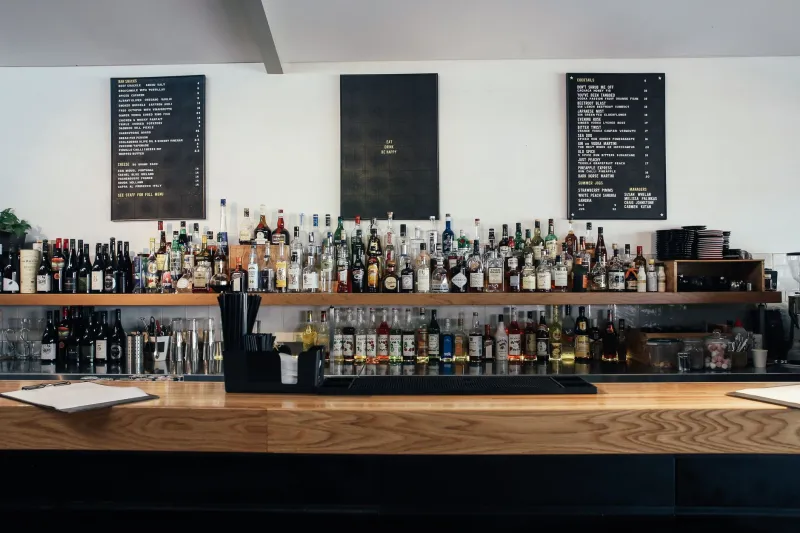
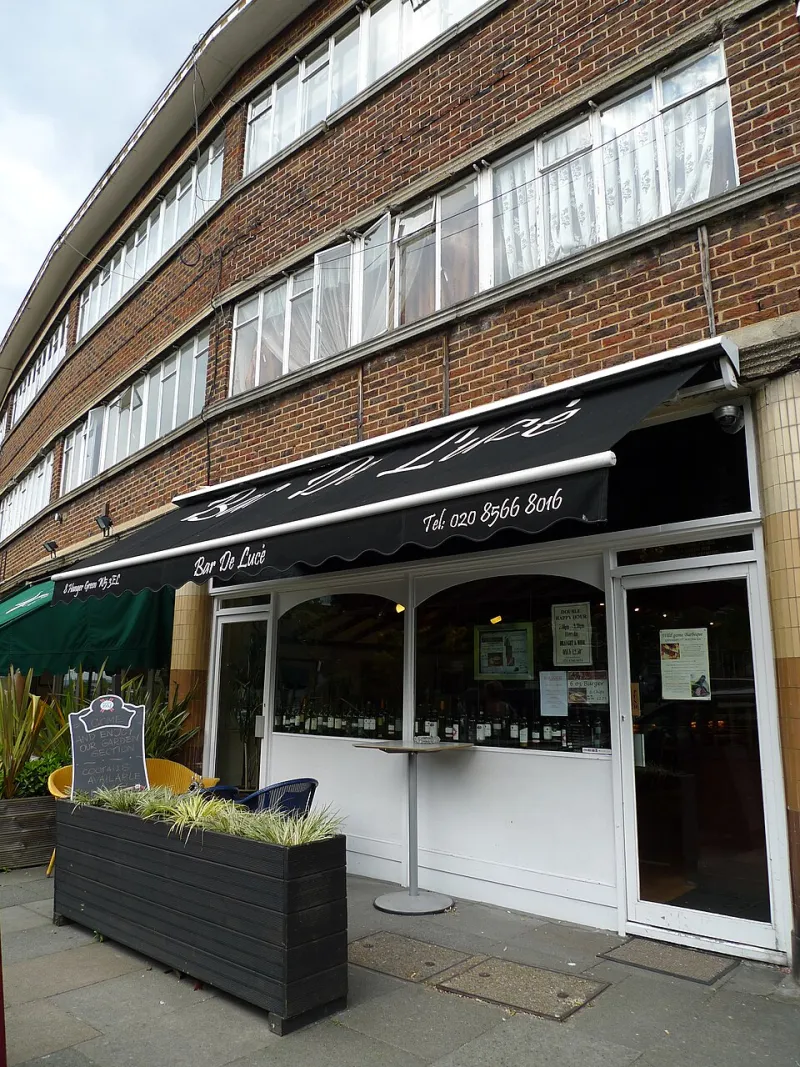
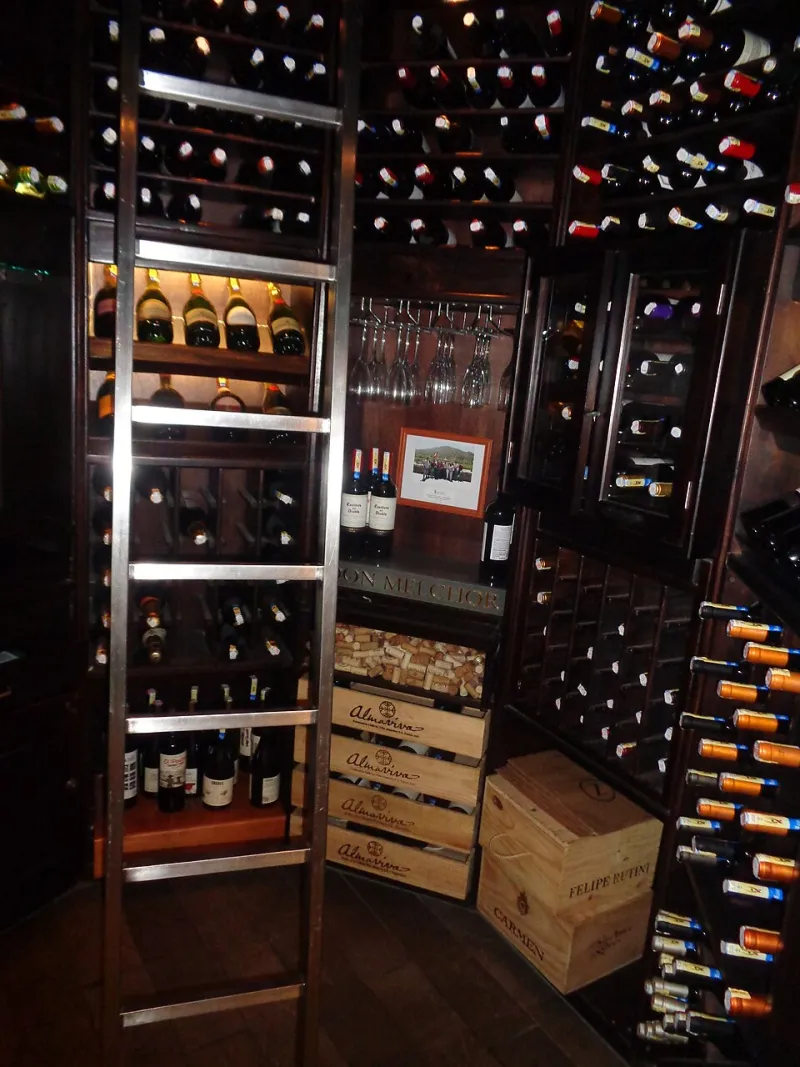
The Two-Glasses-and-a-Board Doctrine: A Complete Date Night for the Price of Delivery
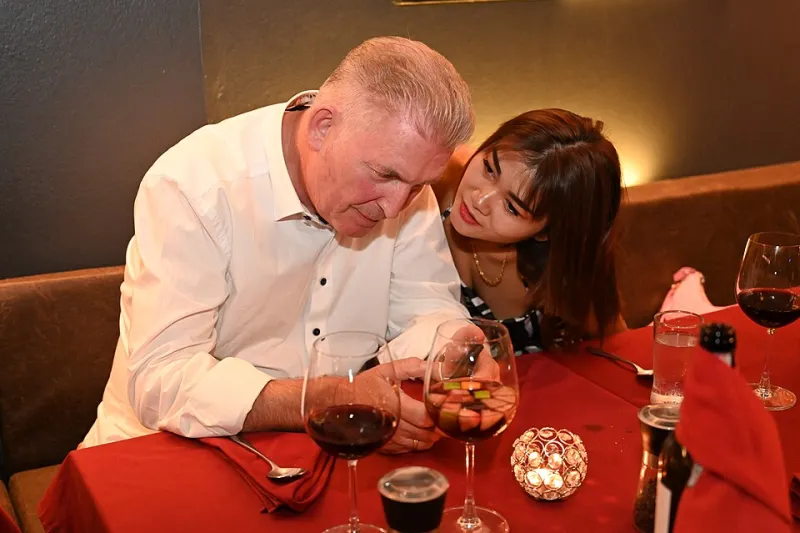
Photo: PattayaPatrol, CC BY-SA 4.0, via Wikimedia Commons
Let's retire a myth that has cost American couples thousands of dollars: the idea that a great night out requires a great night of spending. Walk into any wine bar worth its corkage fee and you will find, on any given evening, couples and pairs having more fun over a $50 tab than the next table is having over $250. They know something. Here's what they know.
The Formula That Changes Everything
Call it the two-glasses-and-a-board doctrine: each person orders two glasses of wine, you split one food board, and the evening organizes itself around that structure. Two glasses each means roughly ninety minutes of conversation with a natural arc—an aperitif-style white to open, something warmer and redder as the night settles in. The board gives your hands a job and your conversation a rhythm. Total damage in most American cities: $40–55 before tip. The experience: indistinguishable from a splurge.
What makes this work isn't deprivation. It's that wine bars, unlike restaurants, are built for exactly this kind of ordering. Nobody at the bar is wondering why you didn't get entrées. The small plates menu is an invitation, not a gauntlet.
Weaponize the Happy Hour
Every serious wine bar in America runs a happy hour, and most guests use it exactly wrong—arriving at 6:30, after the deals have expired. The move is the early window: 4 to 6 p.m. in most places, when glass pours drop by a third and boards often come discounted. An early evening at the bar that rolls into dinner elsewhere, or simply into a walk home, delivers the full romance at half the invoice.
The other underused window is the reverse one: the late-night pour. Many bars discount by-the-glass selections after 9 p.m. to move inventory. A 9 p.m. arrival feels decadent precisely because it is unusual.
The Half Bottle Is Your Co-Conspirator
We have made the case for the half bottle before and we will make it again, because on a budget date it is the single most powerful tool available. A $20 half bottle split between two people equals two generous pours each—often more wine than four glasses at $9 apiece, for less money, with a far better bottle in the mix. Half bottles also let each of you drink what you actually want. She wants the Grüner Veltliner; he wants the Pinot Noir. Order a half bottle of each, split both, and you've doubled the tasting experience for roughly the price of one mediocre bottle.
Order Like You Mean It
The fear, of course, is looking cheap. Here is the truth from the other side of the bar: servers notice hesitation, not frugality. The guest who orders confidently—"We'll do two glasses of the Sancerre and the board to start"—reads as someone who knows what they want. The guest who orders one drink and lingers over it apologetically reads as someone waiting for permission.
A few specifics: sit at the bar, not a table, where service is naturally more conversational and the pacing is yours to set. Ask the bartender for a recommendation at your stated price; a good one respects the number and delights within it. And tip on the full experience—if your $48 tab becomes $60 with tip, you have still spent less than the cost of a mediocre entrée-and-cocktail dinner, and had a better time.
What Fifty Dollars Actually Buys
Run the math one more time. Two glasses each from a thoughtful list: $30. One well-built cheese and charcuterie board: $16–20. Tip: $8–10. Total: $54–60, and in happy-hour territory, closer to $40.
What that buys is not a discount dinner. It buys an unhurried evening with built-in structure, two wines to talk about, food designed for sharing, and the particular intimacy of sitting side by side at a bar instead of across a vast table. Delivery at home costs nearly as much and delivers none of it.
The triple-digit tab is a choice, not a requirement. Spend the difference on the next date.