Composing Your Own Table: The Case for Dining Through the Small Plates
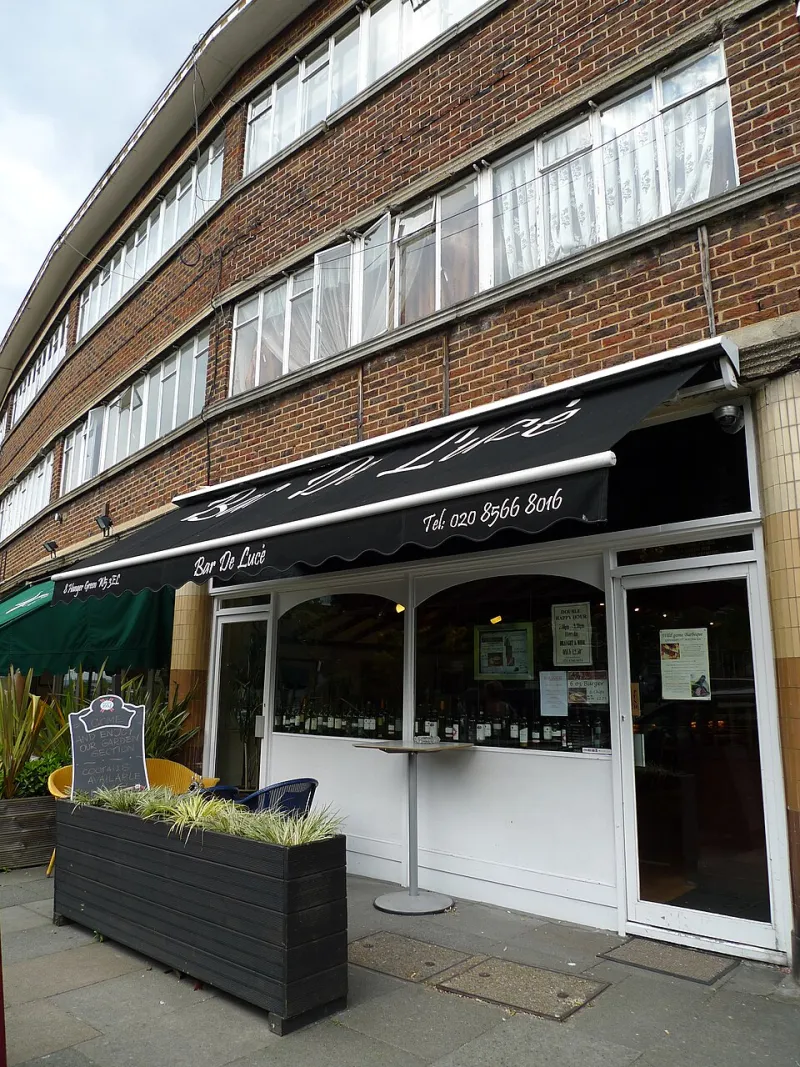
Photo: Ewan Munro from London, UK, CC BY-SA 2.0, via Wikimedia Commons
There is a particular kind of guest who arrives at a wine bar, scans the menu, and immediately searches for something that resembles a main course. It is an understandable instinct. American dining culture has long organized the meal around a central anchor—the protein, the entrée, the dish that everything else orbits. But a wine bar operates on a different logic, and guests who approach it with entrée-focused expectations often miss the most interesting thing the menu is offering.
The wine bar meal, done well, has no center of gravity. It has a sequence.
The Menu as a Tasting Canvas
Most wine bar menus are structured around flexibility rather than formality. You will find small plates, charcuterie selections, cheese boards, vegetable preparations, perhaps a tartine or a composed salad—items designed to be shared, staggered, and paired with whatever is in the glass. The kitchen is not organized around a line of proteins waiting to be plated. It is organized around variety and approachability.
This structure is an invitation, though it is rarely labeled as one. What the menu is actually offering is the framework for a personal tasting menu—a progression of flavors and textures that you design yourself, in real time, in conversation with what you're drinking. The guest who recognizes this possibility and acts on it tends to have a longer, more satisfying, and often more economical evening than the one waiting for a single large plate to arrive.
Beginning with Intention: The Opening Plates
The first selection you make sets the tone for everything that follows, which means it deserves more consideration than it typically receives. Opening with something light and acidic—a dressed salad, a citrus-forward crudo, a selection of olives and pickled vegetables—serves the same function as an aperitif: it prepares the palate, signals to the kitchen the pace you intend to keep, and pairs naturally with the brighter, more mineral-driven wines that typically open an evening well.
This is also the moment to think about the glass. If you are starting with a sparkling wine or a crisp white, let the first plate honor that. Fatty, rich selections at the outset can overwhelm a delicate pour and compress the range of flavors available to you for the rest of the evening. Restraint early creates room for complexity later.
At Annabel's, the opening section of our menu is designed with exactly this rhythm in mind. The lighter preparations are not lesser options—they are the first movement of a longer composition.
Building Through the Middle
Once the first plates have arrived and the initial glass has found its footing, the middle portion of the meal is where the real curation happens. This is where you introduce contrast—a richer preparation alongside something acidic, a cured meat with a fruit component that bridges to the next wine, a warm dish that shifts the register of the evening.
The principle at work here is the same one that governs a well-constructed wine list: tension and resolution. You want the plates to create a kind of pull against one another, so that each new arrival feels like a response to what came before. A salty, umami-forward mushroom preparation will make the next pour taste different than it would have in isolation. A small portion of something sweet—a drizzle of honey over a cheese, a fruit component in a composed plate—can pivot the entire trajectory of the evening toward the dessert wine that might close it.
Portion size matters here, and it is one of the genuine advantages of the small-plate format. Because each dish arrives in a quantity designed for sharing or individual tasting, you are never committed. You can redirect, add, or subtract based on how the meal is developing. This flexibility is something a traditional three-course menu cannot offer.
The Cheese Course as Architecture
No element of the wine bar meal is more strategically important than the cheese course, and no element is more frequently misplaced in the sequence. Many guests order cheese as an afterthought—something to graze on while the evening winds down. This is a missed opportunity of the first order.
Cheese, approached thoughtfully, can function as both a bridge and a destination. A mild, fresh cheese early in the meal pairs beautifully with lighter whites and creates a creamy textural counterpoint to more acidic plates. A firm, aged selection—a well-made aged Gouda, a domestic Cheddar with crystalline texture, a nutty Manchego—belongs in the middle to later portion of the evening, where it can meet a more structured red or a late-harvest white with the complexity those wines deserve.
The classic pairing principle—what grows together goes together—is a useful guide here. A French sheep's milk cheese alongside a glass of Sancerre is not a cliché; it is a pairing that exists because the combination is genuinely harmonious. Asking your server which cheeses on the board were selected with specific wines in mind will almost always produce a useful answer and occasionally an exceptional one.
The Economics of Eating This Way
There is a practical argument for the small-plate approach that deserves acknowledgment alongside the aesthetic one: it is frequently less expensive than ordering in the conventional manner. When the meal's anchor is the wine rather than a single large plate, the total check often reflects the savings that come from ordering four or five smaller items rather than two entrées and a shared appetizer.
This is not universally true—a thoughtfully assembled cheese and charcuterie board at a well-appointed wine bar can represent a meaningful investment—but the flexibility of the format allows guests to calibrate their spending in a way that a fixed menu structure does not. You can add a final plate if the evening calls for it, or stop precisely when the last glass has been poured and the conversation has reached its natural close.
Thinking Like a Curator
The underlying skill that the small-plate wine bar meal develops, over repeated visits, is curatorial thinking. You begin to consider how flavors accumulate across an evening rather than simply what sounds appealing in the moment. You develop a sense of pacing—when to introduce richness, when to return to acidity, when the meal has earned its final, quieter note.
This is, in essence, the same thinking that goes into building a great wine list or composing a meaningful tasting menu. The difference is that at a wine bar, the guest holds the pen. The kitchen has provided the vocabulary. The sommelier has curated the wines. What you do with those materials—how you sequence and combine and respond to what arrives at the table—is entirely your own.
That creative latitude is one of the wine bar's most underappreciated gifts. All it requires is a willingness to set down the habit of looking for the entrée and pick up, instead, the more interesting question: what kind of evening do I want to build tonight?