What the Price of a Pour Is Actually Telling You
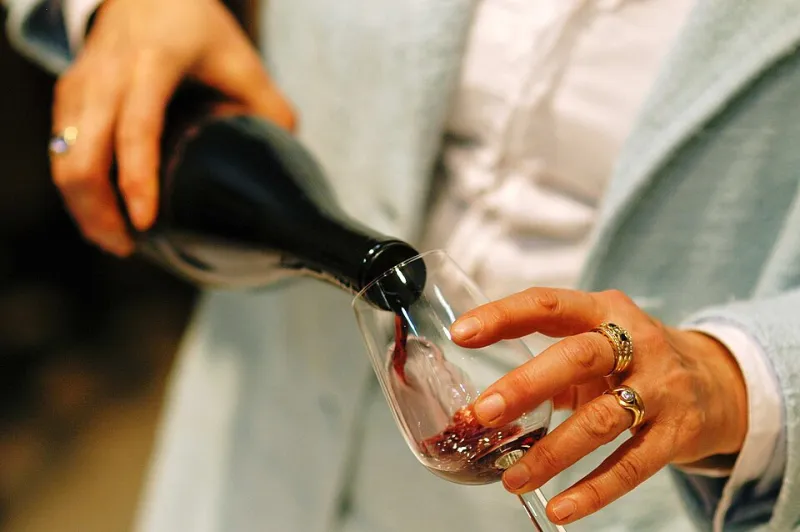
Photo: Fabio Ingrosso, CC BY 2.0, via Wikimedia Commons
Two glasses, both priced at twenty-four dollars. One is a Chablis from a producer whose name the server pronounces correctly and can place within a kilometer of the river. The other is a red described on the menu only as "Cabernet Sauvignon, Napa Valley." The number is identical. The proposition is not remotely the same.
American wine bars have spent the past decade pushing by-the-glass prices upward, and guests have noticed. What is less often discussed is that the sticker price is the least informative part of the transaction. Glass pricing is a design decision, and like any design decision, it advertises the intentions of the house that made it.
Two Numbers, Two Feelings
A high price can feel like an invitation or an insult, and the difference is rarely about the dollar figure. It is about whether the guest can see the reasoning.
When a bar charges twenty-four dollars for a glass of something scarce — a small-production white from a producer who bottles a few hundred cases, a Champagne with age on it, a wine poured from a magnum opened that afternoon — the price reads as a fair accounting of what is in the glass. When the same figure appears beside a wine that any reasonably stocked shop sells for eighteen dollars a bottle, the guest is being asked to fund the bar's rent without being told as much.
Confidence is legible. So is padding.
The Anatomy of a Defensible Pour
A glass price is defensible when three things are true at once.
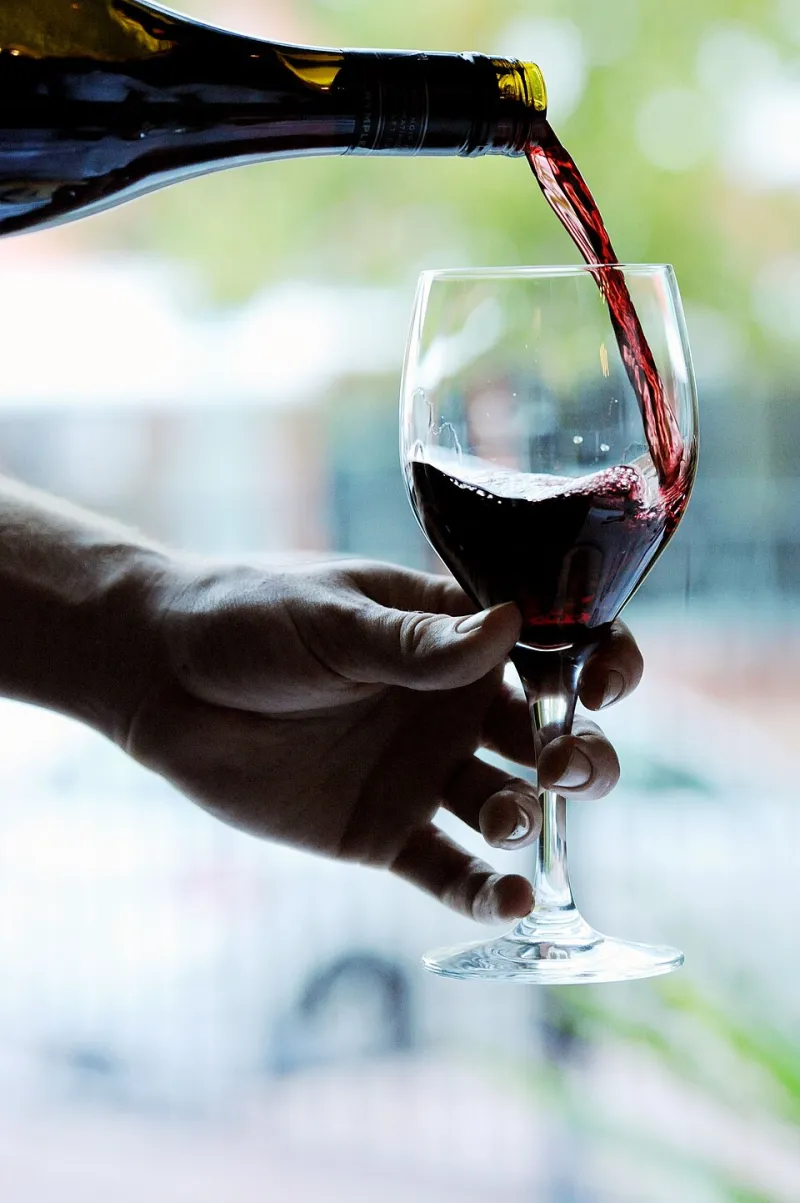
The pour is honest. Five ounces is the standard; some rooms pour four and call it five, and regulars learn the difference quickly.
The wine is not available everywhere. A glass list built entirely from distributor workhorses, marked up fourfold, is a list with nothing to say.
The wine is cared for. A twenty-dollar pour from a bottle opened four days ago and kept on a warm shelf is not a twenty-dollar pour. It is a gamble dressed as one.
The Pour Size Nobody Measures
Few guests carry a measuring device, which is precisely why pour discipline functions as a signal. A bar that pours generously and consistently is telling you it has done the arithmetic and decided the guest should win the difference. A bar that pours thin and hopeful is telling you something else entirely.
Watch the second glass, not the first. The first pour of any evening tends to be careful. The second reveals the house's true habits.
Knowledge Is Part of the Price
A glass of wine in a restaurant is never only wine. It is also the answer to a question.
When a server can tell you why the Chablis was fermented in steel rather than oak, or which of two reds will suit the short rib, or what to expect from a grape you have never heard of, the premium on that glass is buying something real. When the answer to "what's pouring well tonight?" is "everything's good," the guest is paying list price for no guidance at all.
The test is not whether the staff know everything. It is whether they are willing to say "I'm not sure, let me find out" and then come back.
The Tell of a Lazy List
Look at the structure of the glass list rather than its contents. A confident program usually includes a modest house pour, a couple of mid-priced wines chosen for range, and one or two genuinely special glasses priced high without apology. That shape tells a story: the bar has thought about what different guests need on different nights.
A weaker list tends to show a flat band of similar prices across similar wines — a sign that the glass selection was assembled by cost category rather than by curiosity. When every pour sits between nineteen and twenty-two dollars, the list is not describing wine. It is describing a target margin.
When the Splurge Is Right, and When the Bottle Wins
There are evenings when the expensive glass is the correct order. You want one wine, not five. You are curious about a producer you may never encounter again. The bottle is too rare to appear on any list at any price. The glass is the entire point of the visit.
There are also evenings when the bottle list quietly embarrasses the glass list. If three glasses of a wine cost more than half a bottle of the same thing, the arithmetic has already made the decision. A bottle also buys time: it can sit on the table and change in the glass, which is a pleasure a four-ounce pour cannot offer.
The Confidence Test
A wine bar's glass pricing is a statement of how it regards its guests. Rooms that charge well and explain why are usually rooms worth trusting — they have chosen transparency over camouflage, and they understand that a guest who feels respected returns, while a guest who feels managed does not.
The next time a pour costs more than you expected, ask a question about it. The quality of the answer will tell you whether the price was hospitality or arithmetic. At Annabel's, we would rather be asked than assumed about.