An Evening With the Person Who Made the Wine
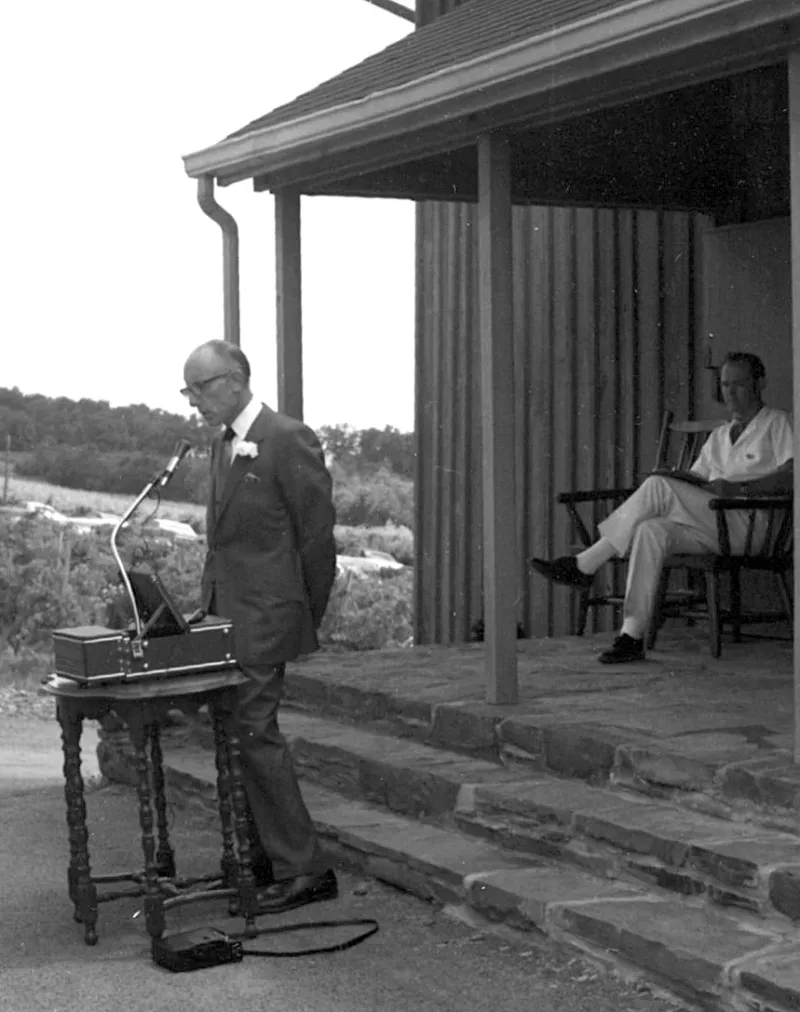
Photo: Joseph G Morgan, CC BY-SA 4.0, via Wikimedia Commons
The room is set for twenty, not for two hundred. There is a folded card at each place with the producer's name on it and no prices. Somewhere near the pass stands a woman in a fleece vest with vineyard dirt still under her fingernails, holding a glass of her own wine and looking slightly relieved that the hard part of the day is over.
This is a winemaker dinner, and it does not resemble a tasting in any way that matters. A tasting is a lineup and a clock. A dinner is a conversation with courses in it.
Two Kinds of Evenings
At a standard tasting, the guest stands at a table while a representative pours two ounces and delivers a compressed biography. It is efficient, it is pleasant, and it is almost always a little rushed. The wines are the subject; the people are the frame.
At a producer dinner, the order reverses. The wines become the vehicle, and the person who made them becomes the evening's center of gravity. Wines are poured alongside dishes chosen specifically to flatter or challenge them, and the pace slows enough for a story to finish before the next course arrives.
Why the Pour Gets Smaller
A dinner ticket typically includes four to six wines across as many courses. Guests sometimes do the arithmetic and conclude they are receiving less wine than they would at a tasting. In practice, they are receiving more.
Smaller pours are the mechanism by which attention is preserved. Four ounces of a single wine, consumed over twenty minutes beside a plate of something rich, teaches the palate more than six one-ounce tastes delivered in sequence. The wine has room to change in the glass. The food has room to argue with it. And nobody at the table is counting ounces, because the point was never volume.
The Stories That Never Fit on a Back Label
A label can tell you the variety, the vintage, and the appellation. It cannot tell you that the crop was halved by a frost event in April, that the ferment stalled for eleven days, or that the decision to bottle the wine unfiltered was made at two in the morning after an argument.
These are the anecdotes that make a producer dinner worth attending. They are not marketing. They are the working memory of a vintage, and they arrive most reliably in response to a question rather than a script. A winemaker three glasses into an evening, standing among people who have just eaten a dish designed for her wine, will usually tell the truth about a difficult year.
Food as Translator
Pairings at these events are frequently the most interesting food a wine bar serves all season. The kitchen is cooking to a brief it rarely receives: six wines, one producer, an obligation to show a single bottling in two different lights if possible.
The result is often a revelation. A wine that seemed austere on its own may turn supple beside a dish with butter in it. A wine that seemed generous may sharpen against acid. Guests who arrive believing they know a bottle routinely leave having revised their opinion of it — which is, quietly, the entire purpose.
The Etiquette of a Ticketed Table
Producer dinners are shared tables more often than private ones, and the social contract is modest but real.
- Arrive on time. The first pour is usually the only one that is not chasing the food.
- Taste before you comment. Enthusiasm is welcome; verdicts delivered in the first ten seconds rarely age well.
- Ask the producer, not the guest beside you, when you have a genuine question.
- Do not treat the evening as an opportunity to demonstrate what you already know. The room can tell.
Questions Worth Asking
Guests who feel underqualified should take heart: the best questions are simple ones. What was the hardest decision of the vintage? Which of these wines would you drink at home on a Tuesday? If we cellared this bottle for five years, what should we expect? Is there a vintage of yours that you would rather not discuss?
That last question, asked politely, has produced some of the most memorable twenty minutes this bar has ever hosted.
Whether the Ticket Earns Its Price
A producer dinner typically costs meaningfully more than a normal evening — the ticket covers the wines, the kitchen's reworking of its menu, and, in a real sense, the producer's time. Guests should weigh the ticket against what they would otherwise spend on a comparable night of food and drink, not against the retail price of the bottles.
By that measure, these evenings tend to justify themselves. They are also infrequent. A room with twenty seats can host perhaps a dozen such dinners in a year, and the mailing list, not the walk-in, is where those seats go.
Going Home With Something
The measure of a good producer dinner is not how much you remember about soil types. It is whether a bottle that was previously a name on a list has become a person, a place, and a year. Guests who leave with that rarely need to be persuaded to come back for the next one.