How to Read a Wine Bar Like a Wine Region: Decoding the Personality Behind the List
Terroir is one of wine's most evocative concepts—and one of its most frequently misunderstood. At its simplest, it refers to the particular combination of environmental factors that give a wine its sense of place: the mineral composition of the soil, the angle of the slope, the direction of the prevailing wind, the decisions of the people who tend the vines. Burgundy tastes like Burgundy not because of a single ingredient but because of an entire ecosystem of influences, accumulated and expressed over centuries.
Now consider your local wine bar.
It, too, has a terroir. Not in the viticultural sense, of course, but in the meaningful sense: a distinct identity shaped by the choices of the people who built it, the neighborhood that surrounds it, the philosophy that guides its list, and the culture that has developed among its staff and regulars over time. And just as learning to read a wine region makes you a more confident drinker, learning to read a wine bar makes you a more rewarding guest.
Here is how to do it.
Start With the List Before You Start With the Wine
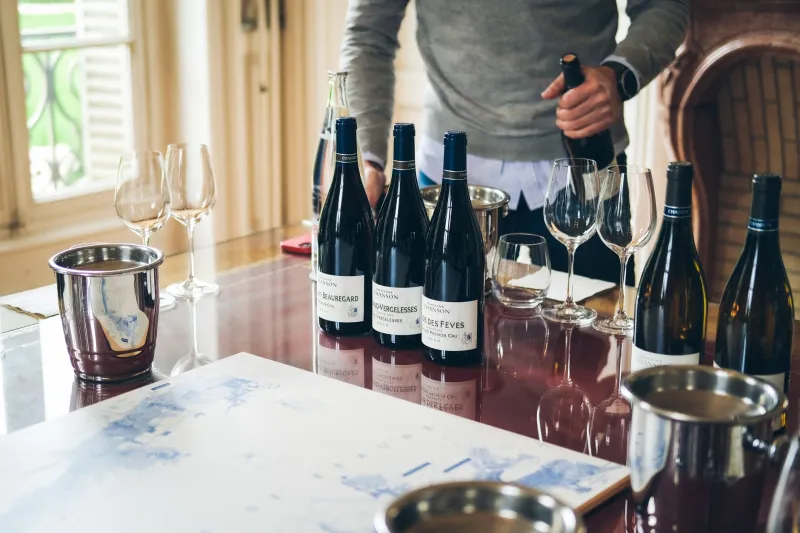
A wine bar's list is its most explicit statement of values. Read it the way you would read a menu at a serious restaurant—not just for what's available, but for what the choices reveal about the people who assembled them.
A list organized by grape variety rather than region signals a staff that is thinking pedagogically, prioritizing education and accessibility. A list organized by region—particularly one that drills down into specific appellations—suggests a more traditional sensibility, a confidence that its guests will meet it partway. A list organized by mood or flavor profile ("light and lively," "rich and contemplative") is making a deliberate choice to lower the barrier to entry, prioritizing the guest's experience over the staff's expertise.
None of these approaches is superior. Each tells you something about what the bar values and, by extension, what kind of evening you are likely to have there.
Pay attention also to what is absent. A list with no sparkling wine is a list that has made a choice. A list heavy with natural and skin-contact wines signals a particular point of view about how wine should be made. A list that offers nothing under $14 by the glass is communicating something about its intended clientele. These absences and emphases are as informative as the selections themselves.
The Decor Is Not Decoration
The physical environment of a wine bar is a form of communication, and it rewards careful reading.
Barrel stave paneling and exposed brick suggest a reverence for tradition—a bar that wants you to feel the weight of wine history even in a contemporary American city. Clean lines, minimal ornamentation, and a restrained color palette suggest a different sensibility: one that positions wine as modern, precise, and forward-looking. Mismatched furniture, handwritten chalkboard menus, and a general aesthetic of cheerful impermanence signal a bar that prizes informality and approachability above atmosphere.
Lighting deserves particular attention. A well-lit wine bar that allows you to see your glass clearly is a bar that wants you to engage with what you're drinking. A bar with very low ambient lighting is prioritizing mood and intimacy over examination. Both are legitimate choices. They are not the same evening.
Listen to the music, too. The tempo and volume of a bar's soundtrack is one of its most honest signals about its intended pace. A bar playing jazz at a considerate volume is inviting you to linger. A bar with an energetic playlist at higher volume is welcoming a different kind of energy.
Pricing as Philosophy
A wine bar's pricing structure is not merely a financial decision. It is a statement about who the bar believes its guests are and what it thinks wine should cost.
A bar that prices its by-the-glass pours accessibly—keeping most options under $16—is making a democratic argument: that good wine should be available to anyone who walks through the door, regardless of occasion or budget. A bar that anchors its list at a higher price point is making a different argument: that the wines it has selected command a premium, and that its guests understand why.
Neither position is wrong, but they produce different rooms. The first tends toward a broader demographic and a more casual atmosphere. The second tends toward a more curated clientele and a greater expectation of engagement.
Watch also for the half-bottle and the by-the-glass ratio. A list with generous by-the-glass options and a strong half-bottle selection is a list built for exploration—for guests who want to taste widely rather than commit early. A list that leans heavily toward full bottles is built for the guest who arrives with a plan.
Reading the Staff
No element of a wine bar's identity is more revealing than its staff culture, and none is more immediately accessible to an attentive guest.
How does the sommelier or bartender greet you? A greeting that opens with a question—"What are you in the mood for tonight?"—signals a staff trained to listen before they speak. A greeting that opens with a recommendation—"We just got something in that I think you'll find interesting"—signals a staff that is confident in its expertise and eager to share it. Both are excellent. They are not the same conversation.
Watch how the staff interacts with regulars versus new guests. A bar that treats its regulars with obvious warmth while still welcoming newcomers with genuine attention has achieved something difficult and worth noting. A bar where the staff seems exclusively focused on familiar faces is a bar that has not yet figured out how to extend its culture to the uninitiated.
Ask a question—any question—and pay attention to the quality of the answer. Not just its accuracy, but its generosity. Does the response invite further inquiry, or close it down? Does the staff member seem pleased by the question, or merely tolerant of it? The best wine bar staff treat curiosity as a gift.
Finding Your Match
The purpose of reading a wine bar's terroir is not to judge it, but to find the one—or the several—that match what you are looking for on any given evening. Some nights call for the bar with the natural wine list and the chalkboard menu, where the conversation runs to orange wine and biodynamic farming. Other nights call for the bar with the deep Burgundy selection and the formal service, where the evening moves slowly and the glasses are large.
Knowing how to read the room before you walk through the door means you arrive already oriented—already tuned to the frequency of the place, already prepared to receive what it has to offer. The wine, when it arrives, will taste better for it.